The evolution of gambling A journey through time and culture
The Ancient Roots of Gambling
The origins of gambling can be traced back to ancient civilizations, where the act of wagering was often intertwined with daily life and cultural practices. Archaeological findings suggest that games of chance existed in Mesopotamia around 3000 BCE. Early dice made from animal bones, known as astragali, were used not only for gambling but also for divination, showcasing the profound connection between luck and fate in these societies. Today, for those eager to enhance their gaming experience, https://thewyyungpub.com/ offers insights into modern gambling options.
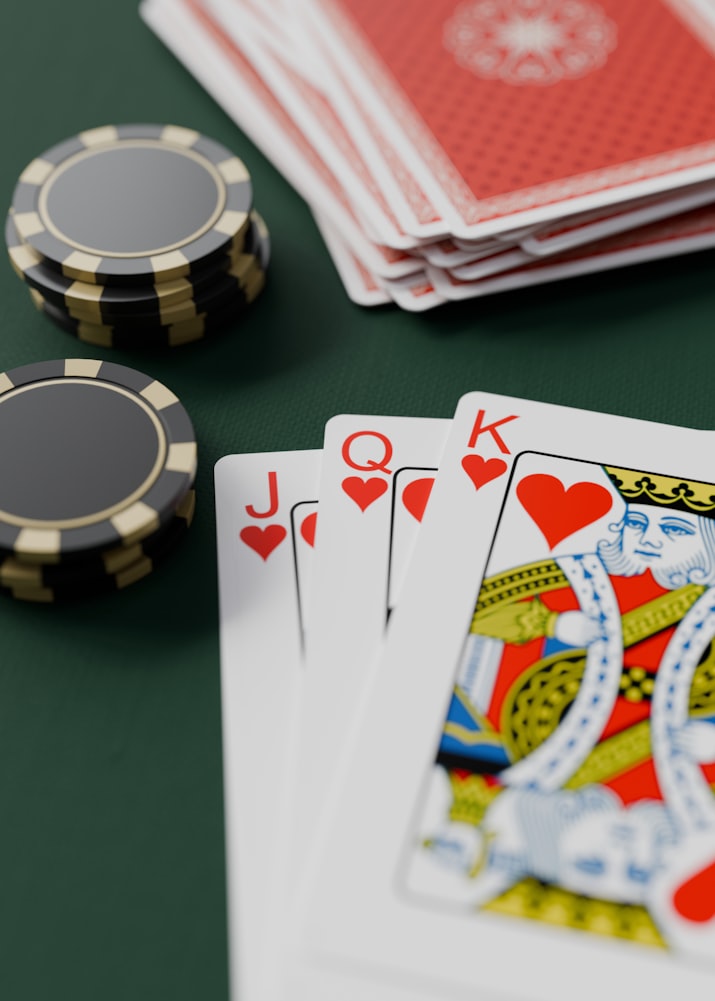
In ancient China, gambling was formalized with the creation of various games, including the lottery and card games, which played significant roles in society. These early forms of gambling served both entertainment and social purposes, allowing communities to engage in shared experiences and celebrations. The Chinese invented paper playing cards during the Tang Dynasty, further advancing the evolution of gambling.
The Middle Ages and the Rise of Gaming Houses
The Middle Ages witnessed a significant shift in gambling culture, particularly in Europe. Gaming houses began to emerge, providing designated spaces where individuals could indulge in various forms of gambling. These establishments created a more organized gambling environment, allowing for a wider array of games, from card games to early forms of roulette.
During this period, gambling became associated with nobility and aristocracy, as it was often seen as a reflection of status and wealth. However, it also faced moral scrutiny and legal restrictions. Various monarchs imposed bans on gambling, citing concerns about its impact on society. Despite this, the allure of gambling continued to thrive, demonstrating its resilience across cultural and historical landscapes.
The Birth of Modern Casinos
The 18th century marked the dawn of the modern casino, with establishments like the Casino di Venezia in Italy setting the standard for future gaming venues. These casinos not only provided a space for gambling but also became centers for social gatherings, combining luxurious settings with entertainment options. The concept of the casino evolved to cater to a growing audience eager for both thrill and social interaction.
The development of various games, such as baccarat and blackjack, enriched the casino experience. As gambling spread across Europe, the introduction of laws and regulations aimed at ensuring fair play became essential. The combination of glamour, game variety, and the chance to win big attracted individuals from all walks of life, solidifying the casino’s place in popular culture.
The Digital Revolution and Online Gambling
The late 20th century introduced a technological revolution that transformed the gambling landscape. The emergence of the internet facilitated the rise of online casinos, making gambling accessible to a global audience. Players could now enjoy their favorite games from the comfort of their homes, leading to an exponential growth in the industry.
Online gambling platforms adopted innovative technologies, including live dealer games and mobile gaming, further enhancing user experiences. This shift not only democratized gambling but also raised questions about regulation and responsible gaming. As more individuals engaged in online betting, the need for safety measures and ethical practices became increasingly important to ensure a secure gambling environment.

Exploring the Current Landscape of Gambling
Today, gambling is a multifaceted industry that blends tradition with innovation. From brick-and-mortar casinos to online platforms, the options for players are vast. Each culture brings its unique customs and attitudes toward gambling, influencing game design, regulatory approaches, and social interactions. The global marketplace continually adapts to technological advancements and changing consumer preferences, demonstrating the evolution’s ongoing nature.
The integration of payment options, loyalty programs, and diverse game offerings reflects a commitment to enhancing user experiences. As we navigate the complexities of modern gambling, exploring its history can provide valuable insights into cultural attitudes and practices, enriching our understanding of this timeless pastime.